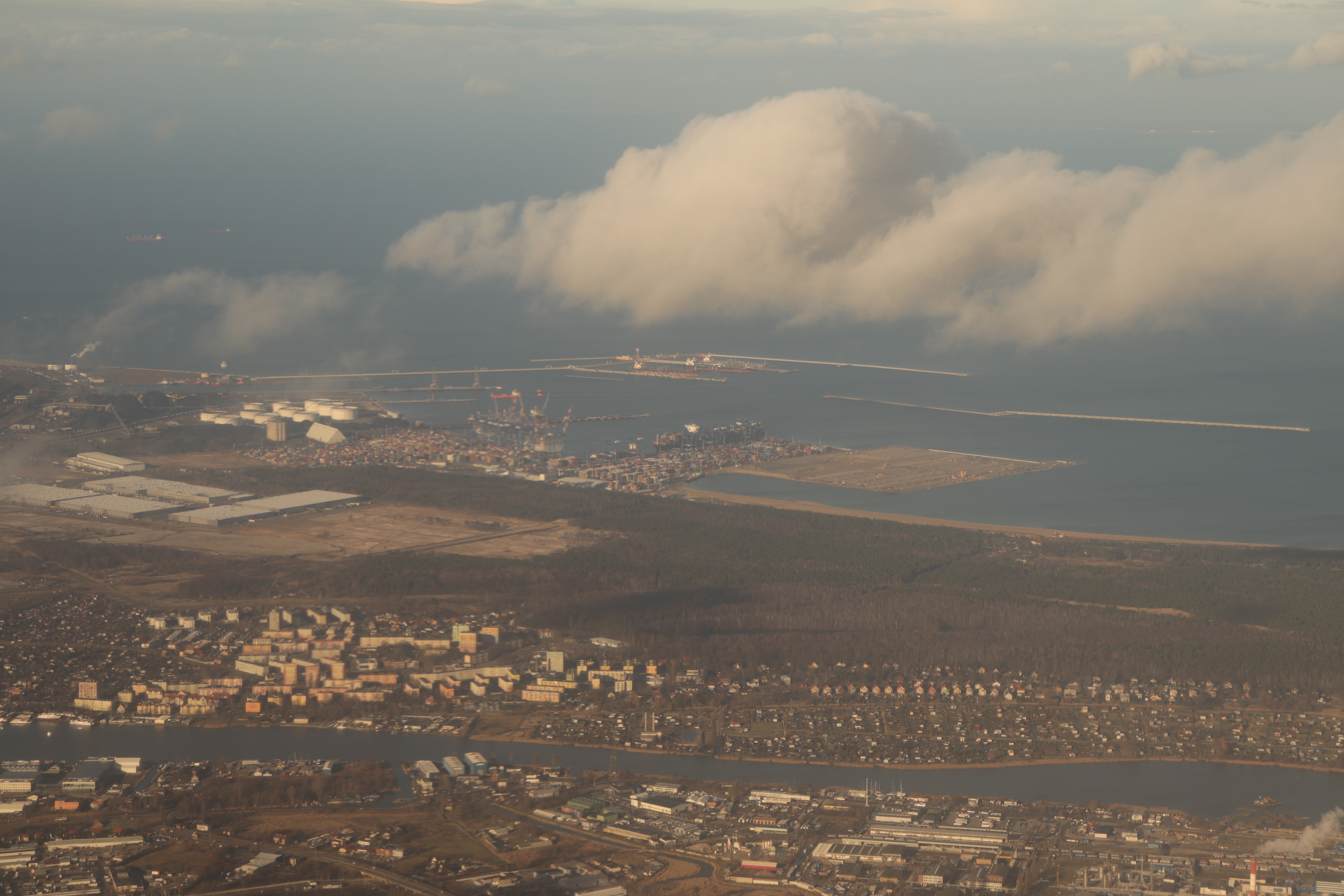
The Port of Gdańsk (Port Gdańsk) is Poland's largest seaport by cargo throughput and one of the most significant logistics hubs on the southern Baltic coast. It comprises multiple specialised terminal zones spread across the city's waterfront, including the Inner Port (Port Wewnętrzny), the Northern Port (Port Północny), and the recently developed Outer Port (Port Zewnętrzny) area. Each zone is operated by separate terminal companies under concessions granted by the Gdańsk Port Authority (Zarząd Morskiego Portu Gdańsk S.A.).
Container Handling
Container traffic at Gdańsk has grown substantially over the past decade. The primary container terminal is DCT Gdańsk (Deepwater Container Terminal), located at the Northern Port. DCT operates two deep-sea berths with depths reaching 16.5 metres, making it capable of receiving some of the largest container vessels in service on Baltic routes.
A second container facility, Baltic Hub (formerly DCT's expansion terminal), expanded DCT's capacity further and handles feeder services connecting Gdańsk with other Baltic ports. The terminal is served by intermodal rail connections to the Polish rail network (PKP Cargo), allowing container movements to Warsaw, Łódź, and the German border.
DCT Gdańsk (Baltic Hub) is one of the few Baltic ports with direct deep-sea connections to Asian shipping lines, serving as a transshipment hub for feeder services to ports in Finland, Sweden, and the eastern Baltic states.
Bulk and Liquid Cargo Terminals
The Northern Port hosts Poland's main liquid bulk terminal — Naftoport — which handles petroleum products and crude oil imports. Naftoport operates jetties with pipeline connections to the PERN pipeline system, which distributes refined products and crude oil to refineries in Gdańsk (Lotos/Orlen) and central Poland.
Dry bulk handling is concentrated at several quays in the Inner Port, where terminal operators process coal, grain, fertilisers, and other bulk commodities. The coal terminal at the port has historically served import volumes destined for Polish power stations, though the long-term direction of this traffic is subject to national energy policy changes.

Ro-Ro and General Cargo
Roll-on/roll-off (Ro-Ro) operations at Gdańsk are handled at dedicated quays in the Inner Port. Vehicles, agricultural machinery, and project cargo move through these facilities on regular short-sea shipping services to Scandinavian and Baltic destinations. The Ro-Ro berths are also used for unaccompanied trailers moving on the North Sea–Baltic shipping lane.
Passenger Ferry Services
Passenger and combined passenger/freight ferry services from Gdańsk operate primarily on the route to Nynäshamn (near Stockholm, Sweden), served by Polferries. Crossings typically take between 18 and 19 hours. The Polferries terminal is located at the Nowy Port area, accessible from central Gdańsk by public transport.
| Route | Operator | Type | Approx. Duration |
|---|---|---|---|
| Gdańsk – Nynäshamn (Sweden) | Polferries | Passenger/Cargo Ferry | ~18–19 hours |
| Gdańsk – Karlskrona (Sweden) | Stena Line (via Gdynia) | Passenger/Ro-Ro | ~10–11 hours (Gdynia) |
| Gdańsk – Helsinki (Finland) | Finnlines | Ro-Ro/Cargo | ~36 hours (approx.) |
Note: Stena Line operates its Gdynia–Karlskrona service from the adjacent port of Gdynia, approximately 20 km north of Gdańsk. Passengers travelling by car can use both port cities as access points depending on origin.
Port Access and Infrastructure
Road access to the port is via the S6 expressway and the city's ring road system. Rail freight access uses the PKP network, with direct connections to the main Polish freight corridors. The port authority has invested in road-rail intermodal facilities to reduce truck congestion at the terminal gates.
Gdańsk is also connected to the inland waterway network via the lower Vistula and the Brda/Bydgoszcz Canal route, though barge traffic on this corridor remains limited relative to road and rail volumes. The physical connection between the port and the inland waterway system at Gdańsk is managed through the Martwa Wisła (Dead Vistula) channel, which runs parallel to the main river mouth.
Port Authority and Regulatory Contact
The Port of Gdańsk Authority (Zarząd Morskiego Portu Gdańsk S.A.) is the entity responsible for port development, infrastructure, and concessions. Its public information portal is available at portgdansk.pl. Vessel traffic services and maritime safety on the approaches are handled by the Maritime Office in Gdynia (Urząd Morski w Gdyni).